Field notes
Delphi in Five Stops: Site, Museum, Temple, More
What deserves your hours at Delphi? Five stops ranked, from the Sacred Way and the Temple of Apollo to the museum's bronze Charioteer and lunch in Arachova.
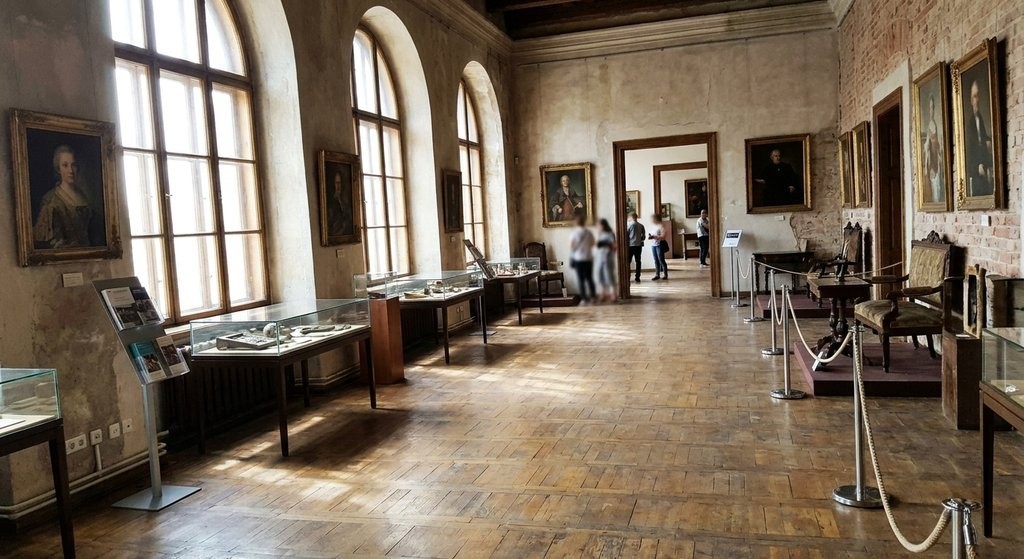
The filter for this list was harsh: only stops that repay a full hour or more made the cut, and each had to explain something the others cannot. Delphi sits between the two shining rocks of Mount Parnassos, in Phocis in central Greece, and people have lived here since the 2nd millennium BC, as Mycenaean finds from 1500 to 1100 BC show. The sanctuary and its oracle grew from the 8th century BC and reached full religious and political weight across Greece by the 6th. Here are the five stops that matter, in the order most visitors walk them.
The archaeological site
Start with the ground itself. The ruins begin about a kilometre from the modern village on the Arachova-Amphissa-Itea road, and the modern asphalt cuts the two ancient sanctuaries apart: Athena Pronaia to the south, Apollo to the north. Walking uphill along the Sacred Way, past the treasuries that Greek cities built one beside another and the votive sculptures they erected, you end at the Temple of Apollo with the theatre stacked above and the stadium at the very top of the site. Count two unhurried hours.
- Sanctuary of Athena Pronaia, with the Tholos, the temples of Athena and at least two treasuries.
- The gymnasium beside it, one of the more impressive secular buildings.
- The Sacred Way, lined with the treasuries of the Greek cities.
- The stadium and the Western Portico outside the main precinct.
The Archaeological Museum
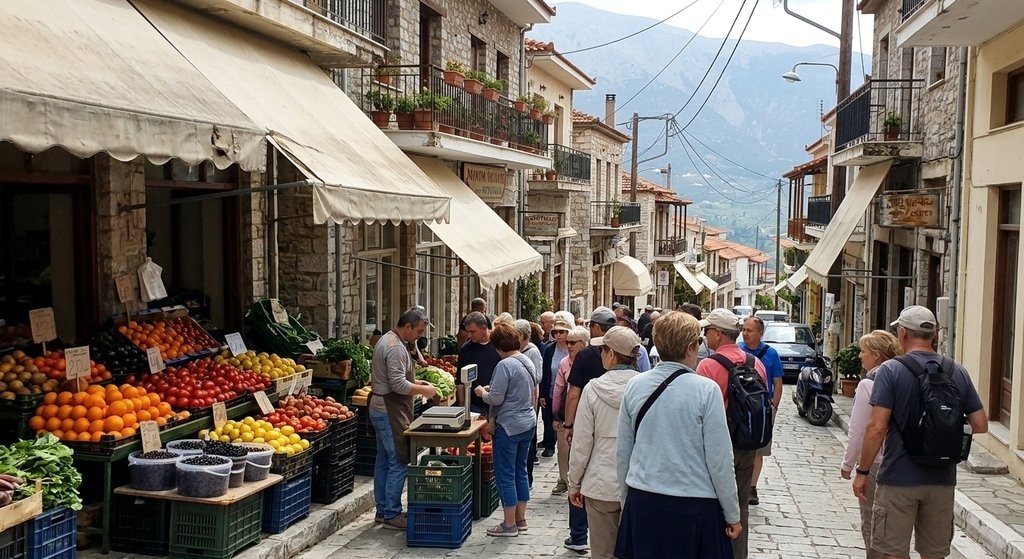
One of the finest museums in the country, and the correct second stop because it decodes everything you just climbed past. The collection is built from architectural sculpture, statues and small objects given to the sanctuary, tracing its religious, political and artistic life from the 8th century BC into Late Antiquity. The building spreads over two floors and 2,270 square metres: fourteen exhibition rooms, 558 square metres of storage, and workshops for pottery, metal and mosaics, with a new lobby, cafeteria and gift shop from the latest refurbishment.
Displays run in chronological order and by context, grouping finds from the Pronaia sanctuary, the votive pit of the Sacred Way, the Temple of Apollo and the Siphnian Treasury. The emphasis falls on Archaic art, on metal and marble offerings rather than pottery, and on monumental groups rather than domestic material. The bronze Charioteer stands alone, as he should.
The Temple of Apollo
The archaic temple went up around 510 BC, funded by contributions from many Greek cities under the stewardship of the Alcmaeonid family. An earthquake wrecked it in 373 BC, the cities pooled money once more, and the temple you see was finished around 330 BC: a Doric peripteral building with a vestibule and a distyle opisthodomos. Inside the cella stood the god's statue and the omphalos, the navel of the earth, while the vestibule carried the maxims of the seven wise men cut into the stone. This was the oracle's seat in antiquity.
- Built ca 330 BC on the footings of the 510 BC archaic predecessor.
- Doric, peripteral, with vestibule and rear porch.
- Cella held the god's statue and the omphalos.
- Maxims of the seven sages inscribed at the entrance.
The Sanctuary of Athena Pronaia
Pronaia means the sanctuary you meet first, and indeed travellers arriving from the east saw it before anything else. Excavation points to ritual here far back, possibly in honour of Gaia, the previous holder of the sacred ground, and the Mycenaean figurines dug from the soil were probably votive gifts, though nobody is certain. The temple itself is among the oldest buildings at Delphi and went through three phases: temples A and B, porous stone structures of the 7th and 6th centuries BC, and a limestone successor of the 4th century BC with six columns on the facade, a cella and vestibule, and deliberately plain metopes and pediments. The round Tholos beside it is the postcard silhouette of the site.
The village of Arachova
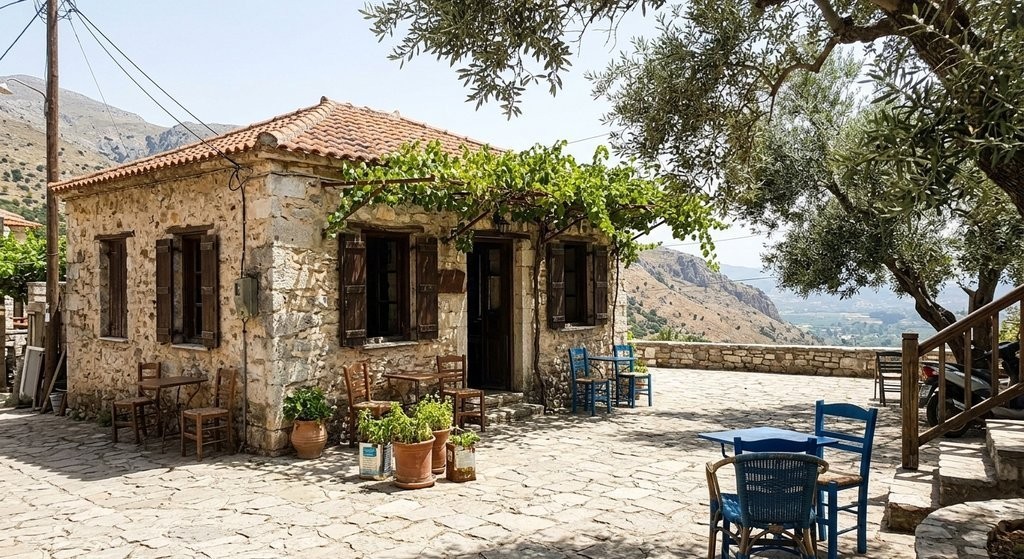
Finish in the mountains. Arachova clings to the foot of Parnassos in Boeotia, 35 kilometres west of Livadeia, and has become the country's most cosmopolitan winter resort, beloved of skiers, celebrities and first-time visitors who want a modern tourist town in a dramatic landscape. The ski resort, the short hop from the capital and the scenery itself explain the pull, and the nightlife earns its own reputation. Eat lunch in a traditional restaurant, walk the narrow lanes, admire the hand-woven carpets and buy Formaela cheese and house-made pasta to carry home.
The five, side by side
| Stop | Time to allow | What it gives you |
|---|---|---|
| Archaeological site | 2 hours | The layout of the sanctuaries and the Sacred Way climb |
| Archaeological Museum | 1 to 1.5 hours | The Charioteer, the Sphinx, the story of the oracle |
| Temple of Apollo | 30 minutes inside the site | The omphalos spot and the rebuilt Doric shell |
| Athena Pronaia | 45 minutes | The Tholos and the oldest cult ground |
| Arachova | 2 hours plus lunch | Food, carpets and mountain air |
Entry to the site and museum costs 12 EUR full and 6 EUR reduced, with a combined package at the same rates; the winter season price is 6 EUR. Free entry applies on 6 March, 18 April, 18 May, the last weekend of September, 28 October and every first Sunday from November through March. Begin with the site at opening time, when the coaches have not yet arrived, and let the museum's calm rooms close the morning. If you are driving yourself rather than joining a guided day, note that the modern road splits the two sanctuaries, so park once near the Apollo entrance, walk the main site and museum, then move the car the short hop down to Pronaia and the Tholos before the light gets harsh. Athena Pronaia is the quiet half of Delphi, and many visitors who rush it later realise the postcard Tholos was the picture they came for.
Written by the Goldenlark Excursions team. Routes are checked on the ground and pages are edited in place when something changes. Spotted an error? Tell us and we will fix it.
Next step
Let us plan the next one
A short brief is enough. We reply with questions, a route sketch and what it would cost before you commit to anything.